

Automatic
Step Feeder


It is designed to quickly and precisely load shafts and other long,
slender parts, increasing the efficiency of your production
line and accelerating manufacturing processes.
The system is custom-designed according to the shape and
quantity of the parts to be handled, as well as the specifications
of the machine to be integrated.


Standard Equipment:
- Feeding Belt: Main conveyor belt that automatically feeds shafts into the system.
- Loading Mechanism: Automated arms that position shafts with high precision.
- Control Panel: Advanced user interface for managing system operations with ease.
- Sensors: Detect the position of shafts to optimize the loading process.
- Safety Barriers: Integrated safety guards and emergency stop buttons to ensure operator protection.


- Advanced Sensor Package: Enhanced sensors for detailed fault analysis and more precise shaft positioning.
- Customizable Loading Capacity: Tailored loading mechanisms for shafts of various sizes and weights.
- Spare Parts Kits: Replacement parts sets for extended use and quick maintenance.
- Remote Monitoring & Control: IoT-based solutions for real-time monitoring and remote system management.
- Integrated Quality Control System: Built-in systems for automatic inspection of shaft quality during production.
- Modular Design Upgrades: Additional modular components to expand or customize the system.
- Custom Software Solutions: Software tailored to specific production needs.
- Accelerated Feeding Option: Enhanced feeding speed for higher production throughput.
- Environmental Protection Units: Shields against environmental factors like dust and humidity.


Do you have a special project?
You can obtain an up-to-date usage and maintenance catalog
by submitting your product stock code.


FAQ’S
Frequently Asked Questions
Automatic Step Feeder
-
How does a step feeder work?Parts inside the hopper are lifted by a step mechanism. Each step transfers only one part at a time, ensuring controlled and consistent feeding to the output channel.
-
What types of parts is it suitable for?It is ideal for cylindrical components, short shafts, bushings, bearing rings, bolts, and small to medium-sized metal parts with regular geometry. Custom step designs can be created for special parts.
-
Can the feeding speed be adjusted?Yes. Feeding speed can be adjusted via motor speed control or PLC configuration, allowing perfect synchronization with CNC machines or robotic systems.
-
What advantages does it have over vibratory feeders?Much quieter operation Reduced vibration Less risk of part damage More precise, stable, and predictable feeding
-
Much quieter operation Reduced vibration Less risk of part damage More precise, stable, and predictable feedingYes. Step feeders naturally align parts during movement. Additional orientation modules or robots can be added if needed.
-
What is the maintenance requirement?Very low. Routine cleaning and lubrication of the step mechanism are usually sufficient.
We have compiled the most frequently asked questions for you.


LATEST BLOG
Read our latest blog posts
 By @admin
CNC Chip Conveyors: Efficiency in Every Detail
Astor Europe chip conveyors are engineered to provide smooth, reliable, and long-lasting chip
Continue Reading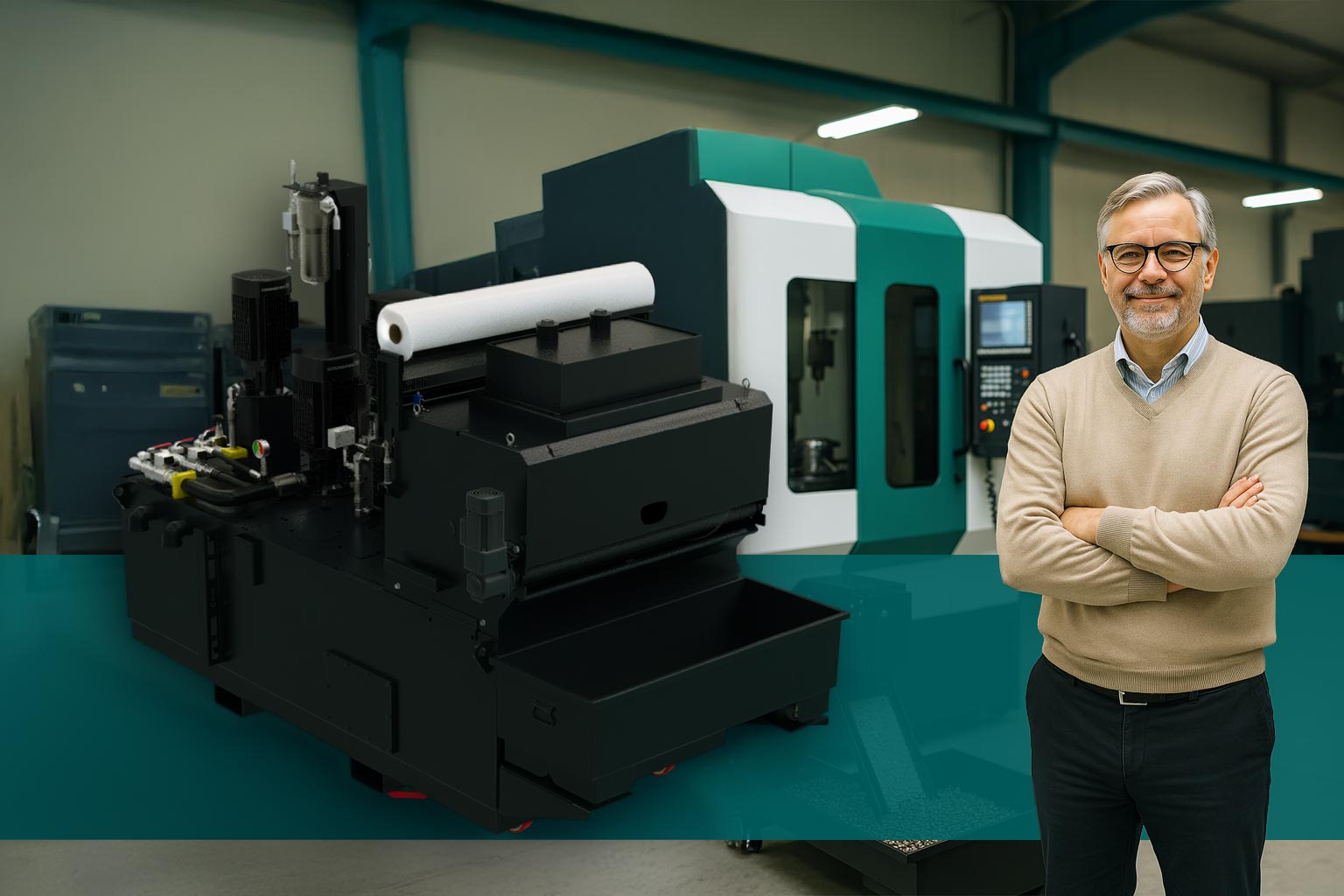 By @admin
Clean Coolant, Better Production: Filtration Systems
Coolant quality is critical for CNC machining – and Astor Europe’s advanced filtration systems
Continue Reading By @admin
Sustainable Solutions in Chip Management
There are many variations of passages of Lorem Ipsum available, but the majority have suffered
Continue Reading
